Read Time:1 Minute, 41 Second
The U.S. Postal Service on Friday reported a net quarterly loss of $2 billion as it faces a growing financial crisis and has warned it could run out of cash as soon as February.
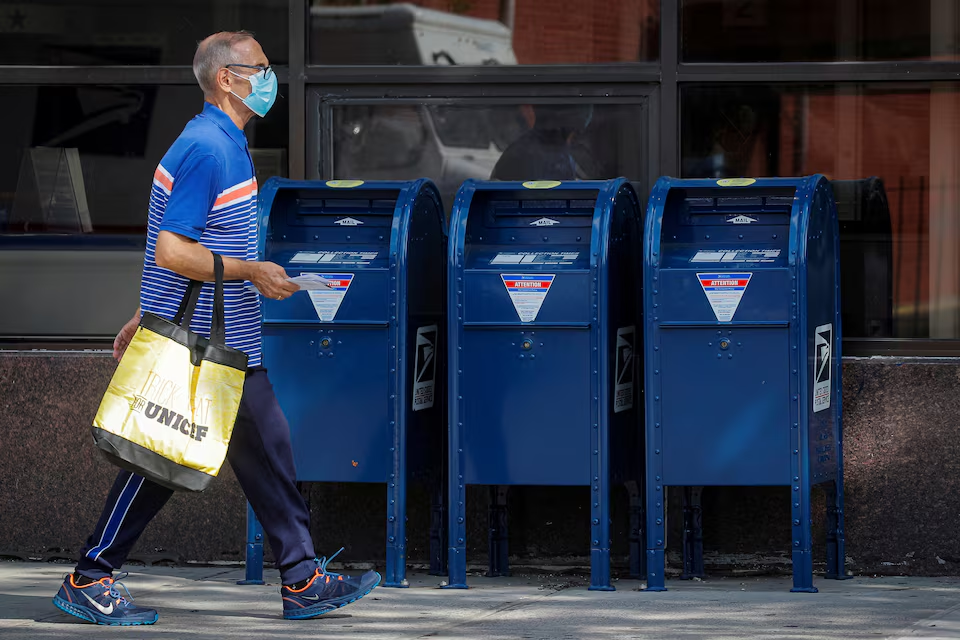
USPS said mail volumes fell another 6.3% in the three months ending March 31 as operating revenue rose 2.3% to $20.2 billion over the same quarter last year.
USPS last month said it would temporarily suspend employer payments for a federal pension program to conserve cash and plans to raise the price of first-class mail stamps to 82 cents from 78 cents, effective July 12.
USPS has reported total net losses of $120 billion since 2007 as first-class mail, its most profitable product, has fallen to its lowest volume since the late 1960s.
“We are in a cash crisis, and we are now taking serious and appropriate steps to conserve funds to operate,” Postmaster General David Steiner said. “To avoid disruption and to sustain our role supporting American commerce and the public, we require urgent Congressional action to expand our borrowing authority and to address outdated constraints on the organization.”
USPS’s suspension of employee pension contributions will conserve $200 million in cash every two weeks, or $2.5 billion through September 30, it said.
Last month, USPS won approval from the Postal Regulatory Commission for a temporary 8% price hike for priority mail and package deliveries to deal with rising transportation and fuel costs. USPS plans for the surcharge to be in effect through January 17, 2027.
Reuters also reported that USPS struck a deal with Amazon.com (AMZN.O), opens new tab in which the retailer will use the Postal Service for at least 1 billion packages a year, or 80% of its volume last year. Steiner said on Friday that developments with major customers including Amazon and DHL were encouraging.
In March, Steiner said the Postal Service was hiring restructuring advisers to help address its mounting financial troubles.
Reprinted from Reuters


Happy
0 %

Sad
0 %

Excited
0 %

Sleepy
0 %

Angry
0 %

Surprise
0 %
 0
0
 0
0